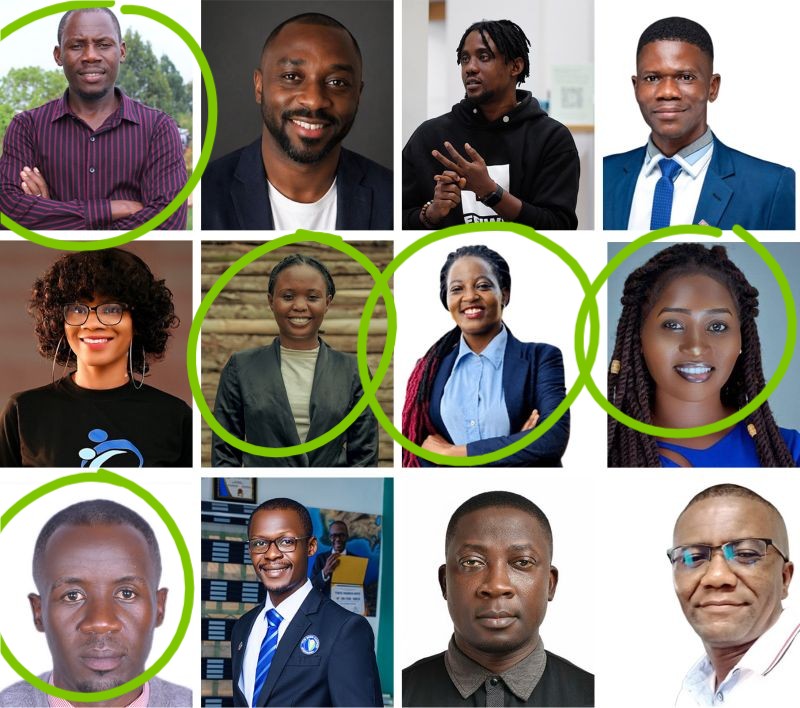
We counted the names once. Then again. The African Diaspora Network had selected just 12 entrepreneurs from across the continent for the 2026 Builders of Africa’s Future programme. Five of them come from SINA. Five out of twelve.
Gladys Amuge of Absolute Clean, Mackline Kobusingye of Vital Care Connect, Barbra Nantongo Jane of Smart Kitchen Solutions, David Monday of Pendeza Shelters and Albert Rwakimari Ayiga of NUNU Fund.
We know all five of them well. All of the enterprises were born in SINA at the main and first SINA Community “Jangu International” and we saw the moments when an idea did not work as expected. The customers who were not convinced. The business model that looked good on paper but failed in practice. The many hours of mentorship, testing, changing and starting again. That is why this recognition feels so special.
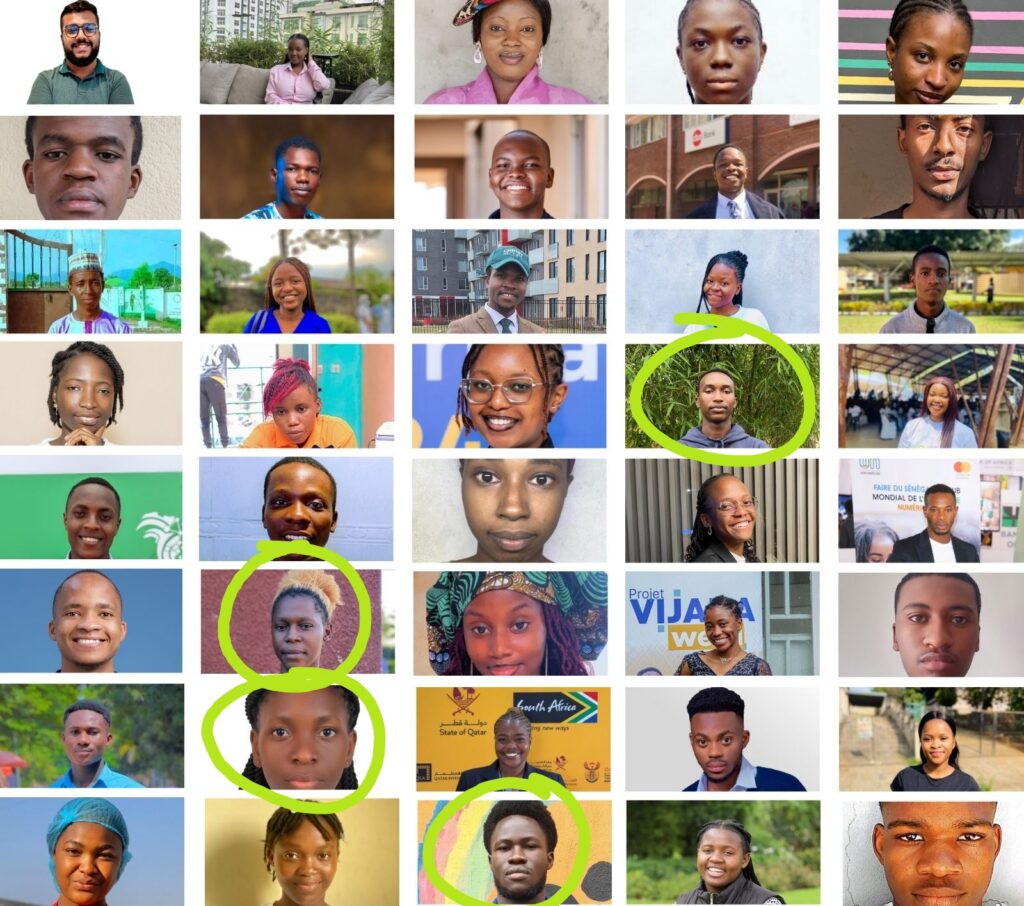
It also comes only a few weeks after four out of the 40 entrepreneurs selected as 2026 Anzisha Fellows came from SINA. Four out of 40 at Anzisha. Five out of 12 at Builders of Africa’s Future. These are different programmes, selecting founders at different stages. Still, nine SINA social entrepreneurs appearing in two continental cohorts within a few weeks is more than a pleasant coincidence. It is a pattern we need to understand.
What are people noticing?
We are told surprisingly often that something feels different when people work with SINA scholars and alumni. One person who has worked with several entrepreneurship support organisations told us:
“I have worked with several ESOs and have really come to appreciate the SINA approach. The level of entrepreneurs from your program is significantly different than other programs.”
We have heard similar comments from mentors, visitors and partners over the years. It is difficult to point to one particular session or tool that creates this difference. There is no secret workshop.
Perhaps it begins with the weekly food budget. Many of us arrive at SINA after years of being treated as recipients or beneficiaries. Suddenly, we are trusted to make decisions that affect an entire community. If we calculate wrongly and the food runs out before the end of the week, nobody arrives from outside to quietly fix it. We face the consequences together, work out what happened and do it differently the next time.
Perhaps it happens during the difficult meetings. Self-governance sounds inspiring until there is a real conflict, someone is not doing their work or a decision affects people differently. Then we have to speak honestly, listen when it is uncomfortable and confront the patterns we carry with us.
Obedience is deeply rooted in society. So is the expectation that someone with a title will eventually step in and decide for everyone. At SINA, that usually does not happen. It can be frustrating, but it is also where responsibility stops being a word on a training slide.
Many of us enter SINA after years of being told, directly or indirectly, that we are not capable. We may carry experiences of displacement, poverty, violence or rejection. Confidence does not return because someone tells us to “believe in yourself.” It grows slowly when we are trusted with work that matters and discover that our decisions carry weight.
Sometimes we get it wrong. Everyone does. Then we try again. The fact that SINA has no fixed programme duration or graduation date also matters. We do not all grow according to the same timetable. For one person, the journey may take nine months. For another, it may take four years. During that time, we do not remain passive participants waiting to complete a course. We take on roles needed to run the community. We may facilitate sessions, manage finances, coordinate meals, welcome new scholars, work through conflicts or mentor others. This keeps SINA Communities affordable while allowing us to build our abilities through real responsibility.
The community benefits from the work we contribute today, while we become more capable of creating the futures we want tomorrow. Perhaps this combination of time, trust and responsibility is one reason SINA entrepreneurs stand out.
This is not how most systems work
Most education systems reward young people for reproducing the correct answer. Power remains with the teacher. Much of the aid sector also keeps power somewhere else. Young people are called beneficiaries. Their needs are assessed, programmes are designed for them and somebody from outside decides what success should look like. The result is often another training, another certificate and another group of young people waiting for jobs that do not exist.
SINA was created as a refusal of that logic. We do not believe that young people from marginalised communities are problems to be solved. We believe they are capable of building solutions, especially because they understand many of the problems from the inside. That does not mean placing someone in front of an entrepreneurship curriculum and expecting a social enterprise to emerge.
It means living responsibility every day. It means facilitating a session when you are nervous. Managing money when you have never had a bank account. Giving feedback to a friend who is not fulfilling a role. Sitting with a customer who does not care how passionate you are and simply does not want the product. It can be exhausting. It is often messy. It is also real. The five social enterprises selected for Builders of Africa’s Future grew from problems their founders knew closely.
Mackline almost lost her life during childbirth. Vital Care Connect now works to prevent other women and newborns from facing the same danger. David grew up with flooding in Kasese and lost his brother during a flood. Pendeza Shelters is turning plastic waste into affordable building materials and safer homes.
Barbra experienced a time when rising cooking-fuel prices meant her family had to reduce the number of meals they prepared. Smart Kitchen Solutions now creates cleaner and more affordable cooking fuel from materials others throw away.
Albert grew up in a farming family and saw how low prices and unstable income could push children out of school. NUNU Fund is helping rural families earn more fairly and save towards education.
Gladys is building Absolute Clean around work that society depends on but often undervalues. The social enterprise is professionalising cleaning and laundry services while creating more dignified opportunities, especially for women and young people.
None of these social enterprises was born fully formed. They had to move from a personal experience to a product. From a product to a customer. From a few customers to a functioning organisation. There were questions far more urgent than how to write a winning fellowship application. Why are customers not returning? Can we pay the team? Is the price too high for the people we want to serve? What happens when a co-founder stops showing up? Do we keep pushing the original idea or admit that it needs to change? These are the conversations behind the announcement.
Recognition matters, but it is not the work
Builders of Africa’s Future will give the selected entrepreneurs access to enterprise development, mentorship, networks and international exposure. They will present their social enterprises at the programme’s Pitch Day on 26 August 2026. You can read the official announcement and meet the full Builders of Africa’s Future 2026 cohort here.
This recognition can open doors for Gladys, Mackline, Barbra, David and Albert. We hope it does. For SINA, it also asks us to look more closely at what we have built together. Why do people who work with our scholars and alumni keep noticing a difference? Which parts of the SINA experience create it? How can we protect those parts as SINA grows across more countries and very different contexts?
We will listen to our entrepreneurs, ask external partners what they see and examine the evidence honestly. Not every SINA social enterprise succeeds. Some stop, many stay small and some teams break apart. Some founders take what they have learned in a different direction. But when independent organisations repeatedly select SINA social entrepreneurs from large cohorts across Africa, we should not be shy about saying that something important is happening.
Four out of 40. Five out of 12.
Congratulations Gladys, Mackline, Barbra, David and Albert. This moment belongs to you, your teams and everyone who kept showing up when the work was difficult. We are very proud. Now we go back to work.