After a difficult start to 2026 in Uganda, with the presidential election held on January 15 and an internet shutdown during the election period, March brought a different rhythm. As the country moved beyond the election season, activity picked up again. Across Mpigi, Jinja, and beyond Uganda, the month brought the kind of movement we had been hoping for: people coming together, ideas being tested, teams taking time to learn, and a new SINA Community beginning to take root.
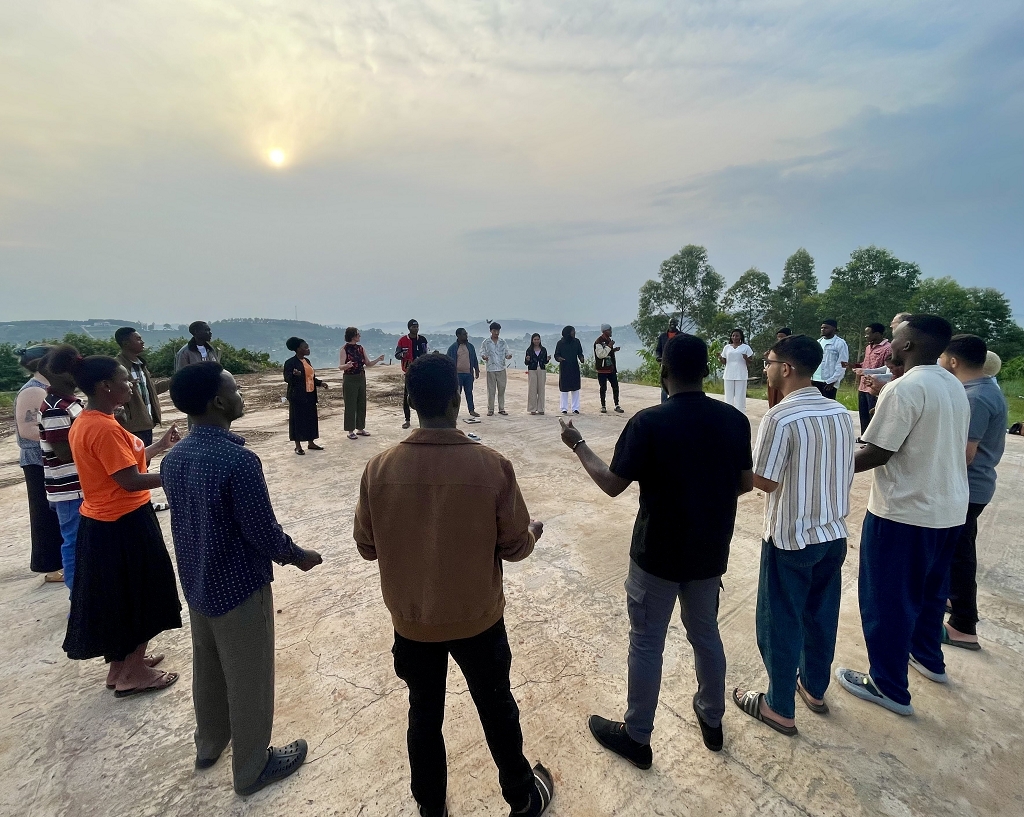
The month opened with our Social Enterprise Bootcamp in Mpigi, and it was intense in the best way. This was not entrepreneurship as theory. People joined real early-stage SINA social enterprise teams, worked directly with customers, questioned assumptions, adjusted their offers, and pushed toward problem-solution fit, prototypes, pricing, and first revenues. What made it even stronger was the mix of people in the room, with participants from many different SINA Communities and 12 countries across four continents.
For the first time, we also welcomed individual international participants from the UK, Germany, Italy, the USA, and South Africa. Each joined one social enterprise team for the week and became part of the real work behind testing ideas and shaping growth. Their reflections captured that well. Esra Kucukciftci called it “work worth doing” and praised the founders’ “unparalleled market wisdom.” Bex Hewett described the week as “life changing” and wrote that seeing SINA in practice “changed my perspective entirely.” We will have a similar bootcamp coming up in June.
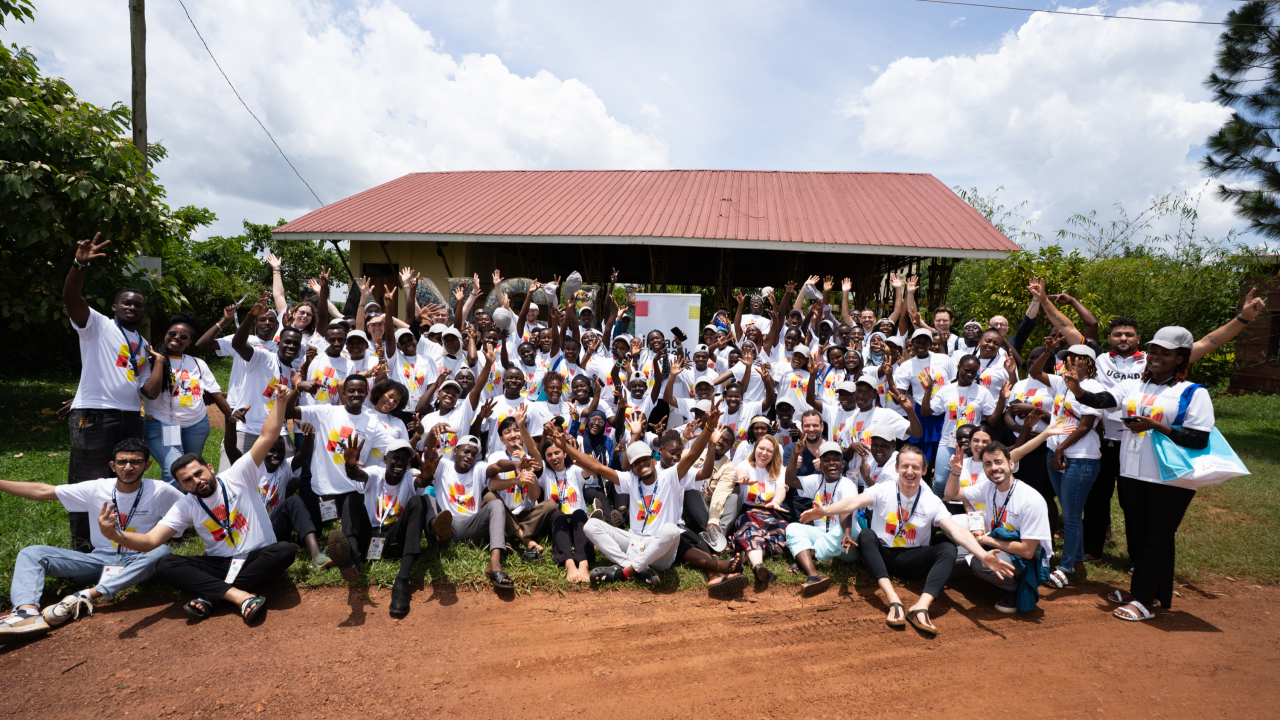
Then Mpigi filled up again for Impact Week Uganda 2026 at Jangu International. From March 4 to 12, with the Train-the-Coach phase followed by the challenge week, Impact Week brought together participants from 16 countries. The programme set out to equip 24 local and international Junior Coaches and 75 young challenge participants with Design Thinking skills to work on real community challenges. This diversity brought high quality to the week. Different backgrounds, different instincts, different ways of asking questions, and suddenly the learning goes deeper because nobody is coming from exactly the same place.
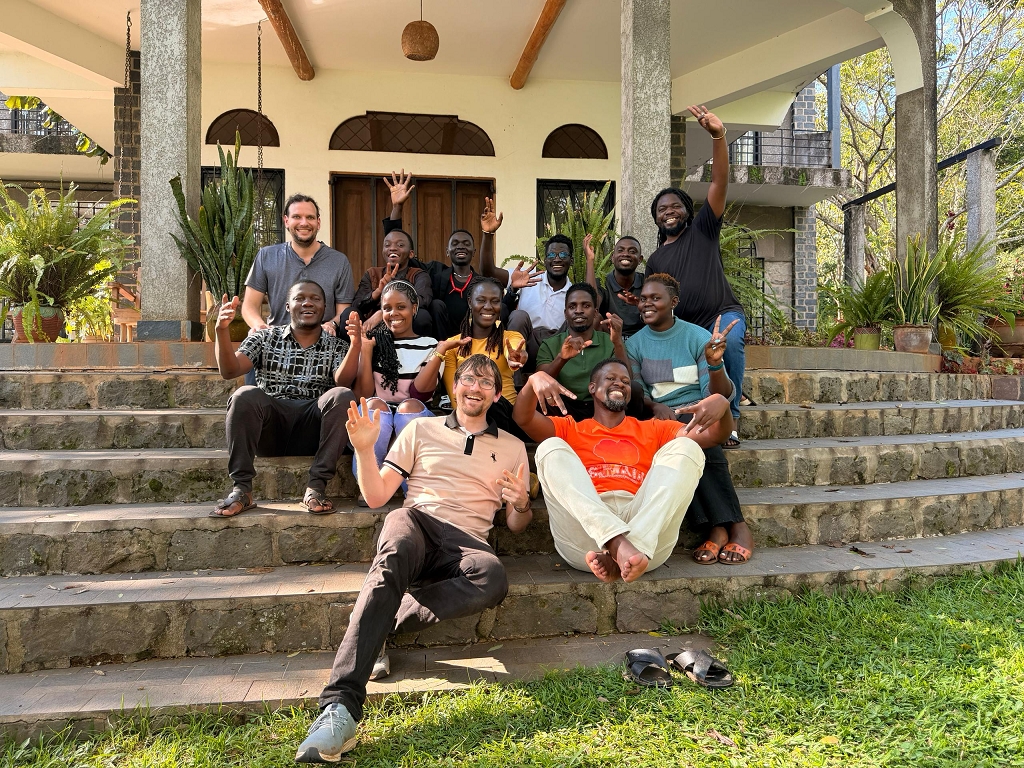
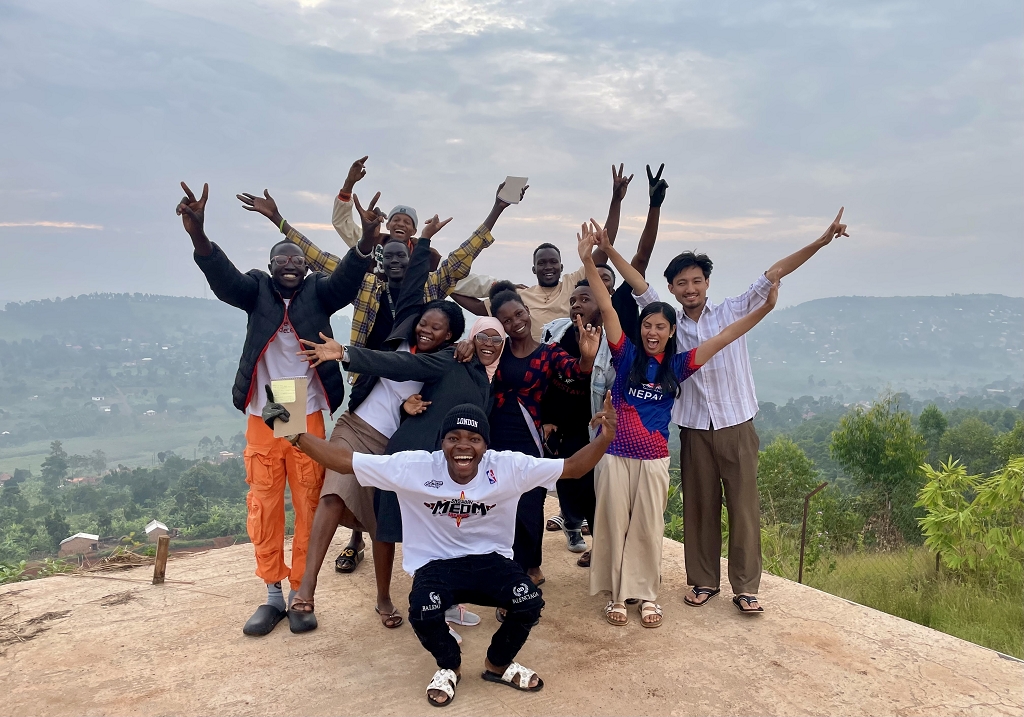
Also in March, the SINA Global team, made up of 14 members from different SINA Communities and replicators and Nomads, met in Jinja for a retreat. Some of the most important work in a growing movement is quiet work, the kind that does not make for many photos but shapes everything that comes next. We used the time to reflect honestly on what SINA needs now: stronger shared systems, strong human connection between the 23 locations across 9 countries, better documentation, clearer learning loops across communities, and more financial resilience so the ecosystem can keep growing.
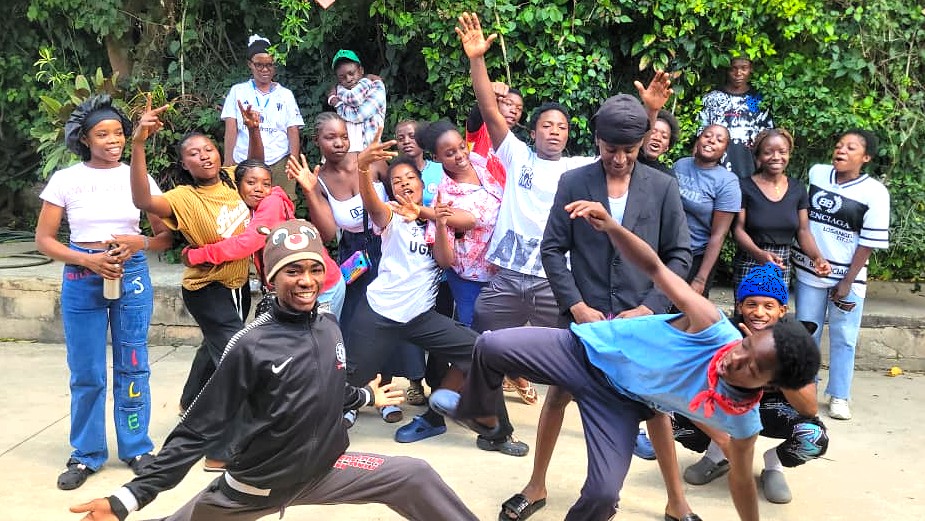
And then Zambia started. Our newest SINA Community in Lusaka began with its pioneer scholars on March 30th after an intensive replication journey, and it builds on the partnership with Circus Zambia.